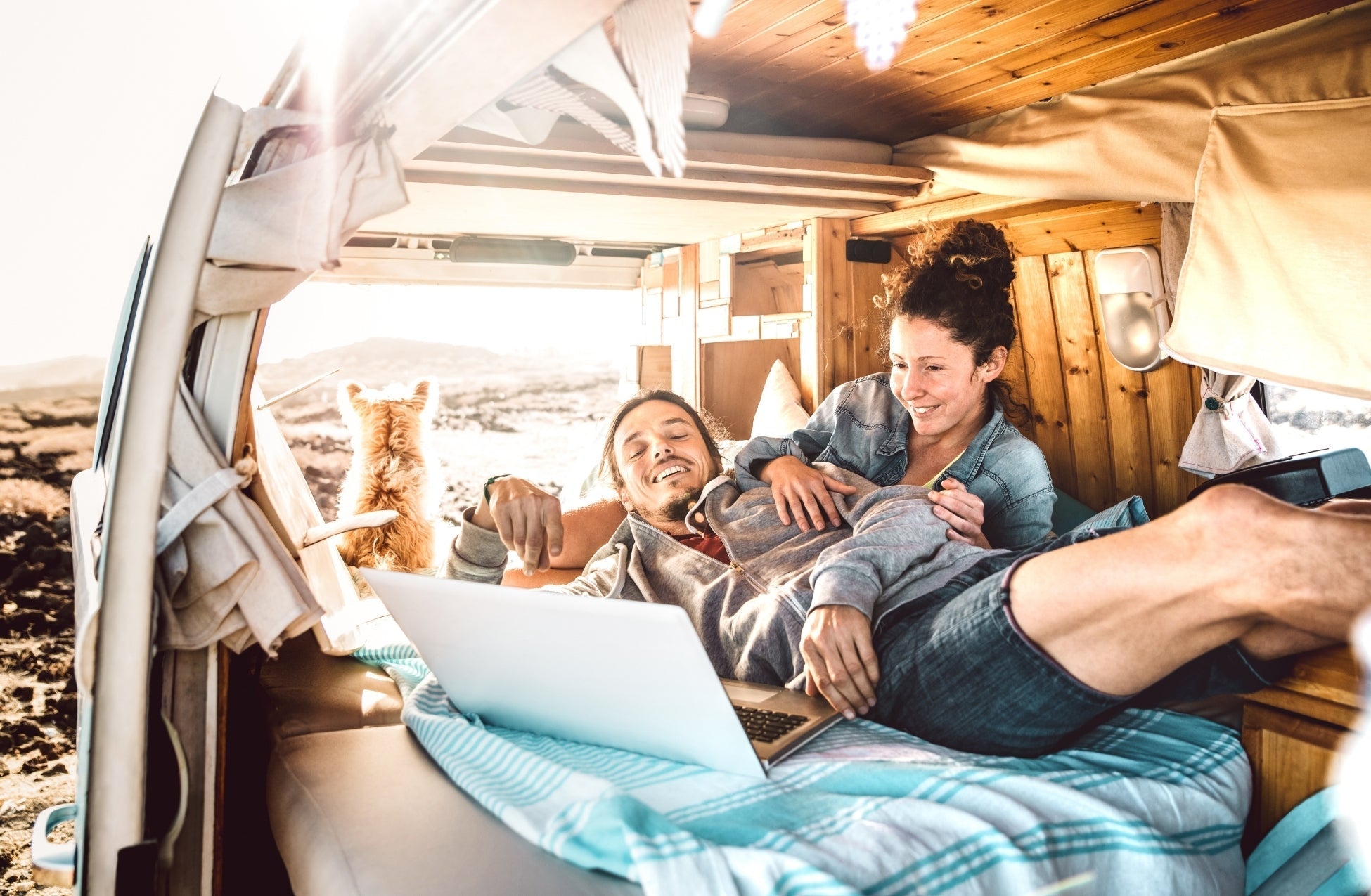
The layout of a van, a van or a small truck has become a real trend in France in recent years. Whether you dream of trips on country roads, a nomadic lifestyle, or simply an economical solution to go camping, transforming a utility vehicle into a comfortable Motorhome is an exciting and affordable project!
In this ultra-detailed guide, we accompany you step by step to fit out your van in a practical and efficient way. You will discover all the essential van equipment, tips to optimize space, and advice for a fully autonomous trip. 🚀
First of all, a few words about Vanlife Store
At Vanlife Store, we are above all passionate about Vanlife and adventure! After years on the road living our dream, we love sharing our tips, ideas, and good deals to help you transform your van into a true home on wheels.
We are also layout experts which allows us to offer you relevant advice and products for your Campervans projects or repairs, always at the best prices.
Subscribe to our newsletter to receive our best tips, inspiration for your next getaways, and top deals to equip your van. Ready to set off on an adventure with us? 🚐✨ Let’s go!
- 🏗️ Step 1: Planning and design – The key to a successful project
- 🛠️ Step 2: Vehicle preparation – The foundation of a successful conversion
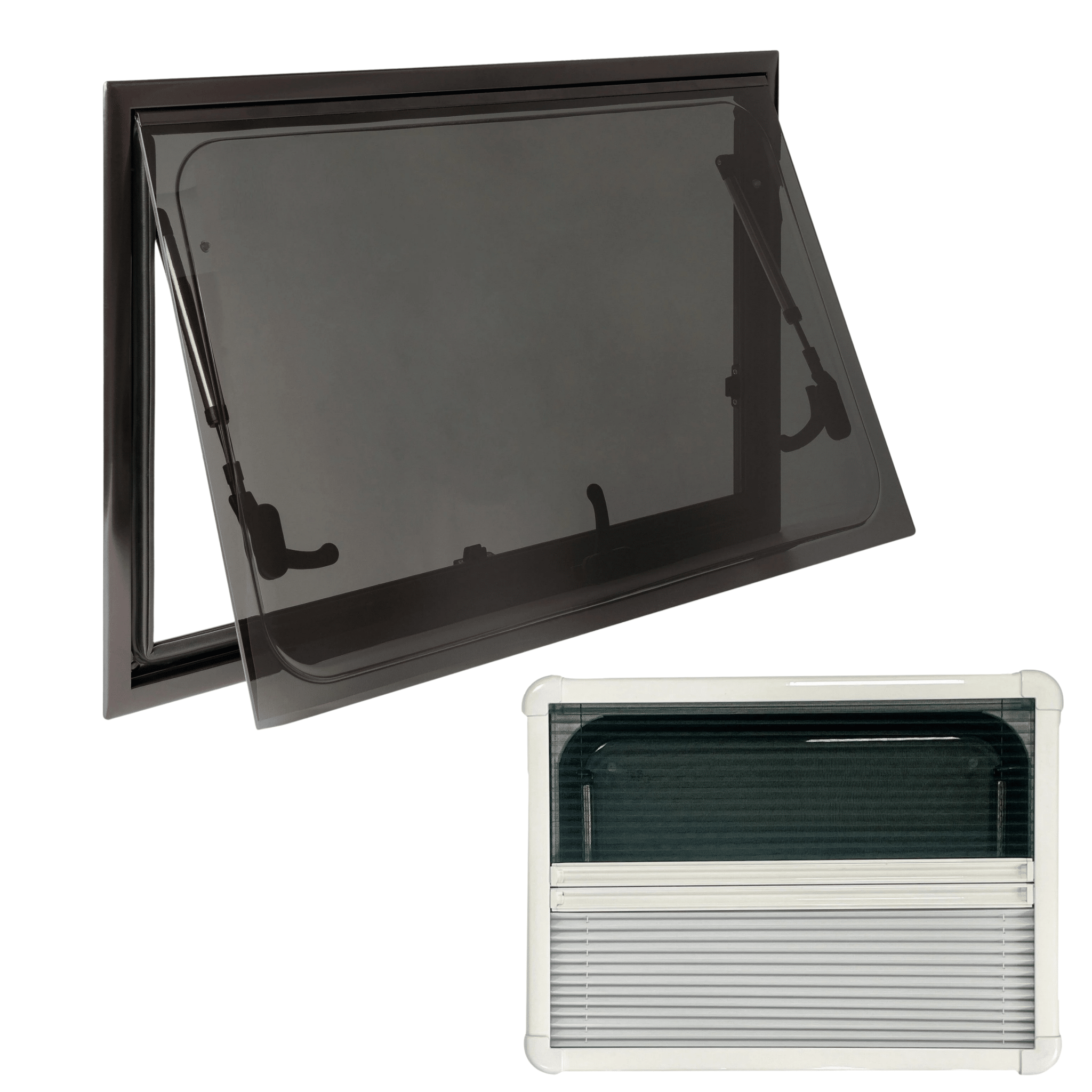
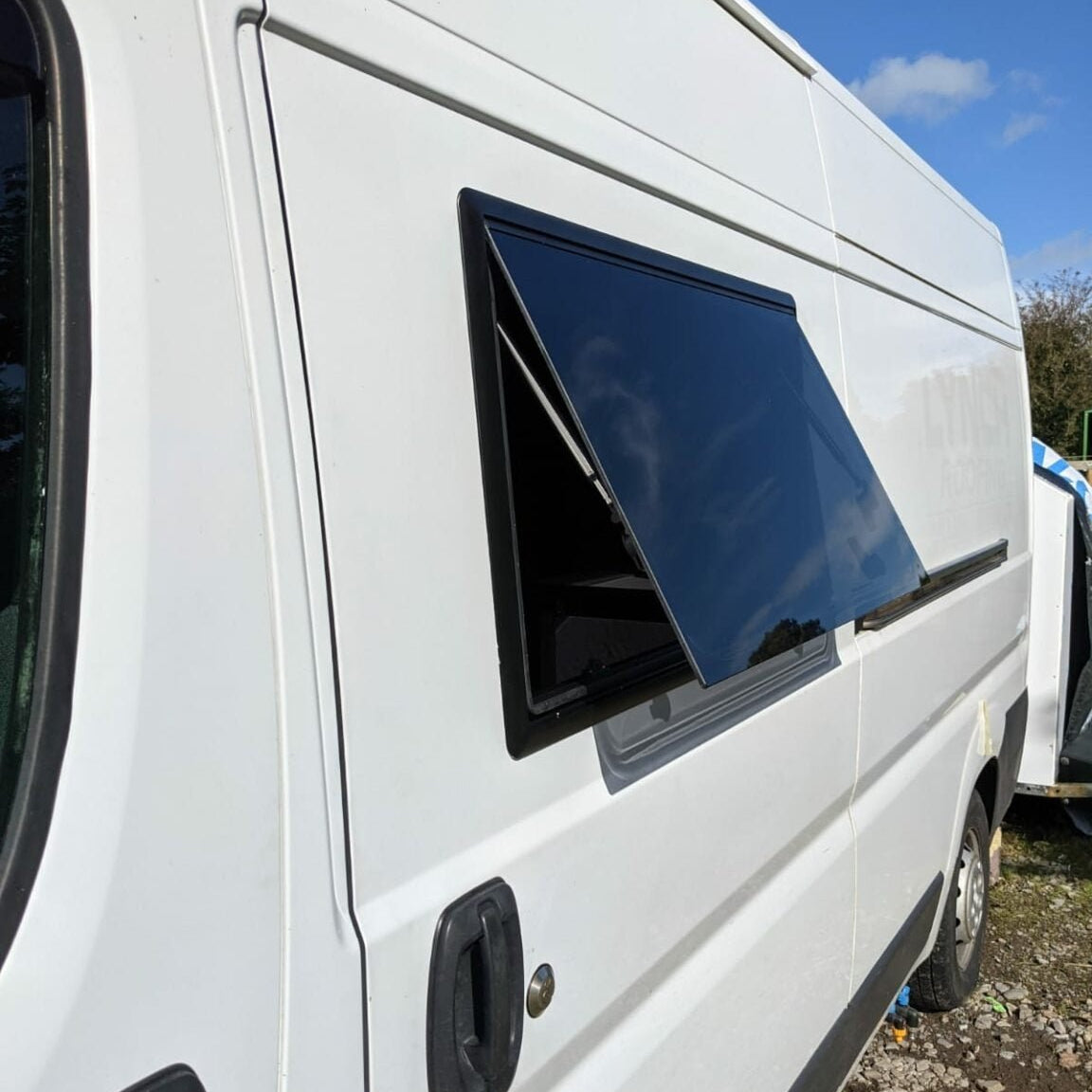
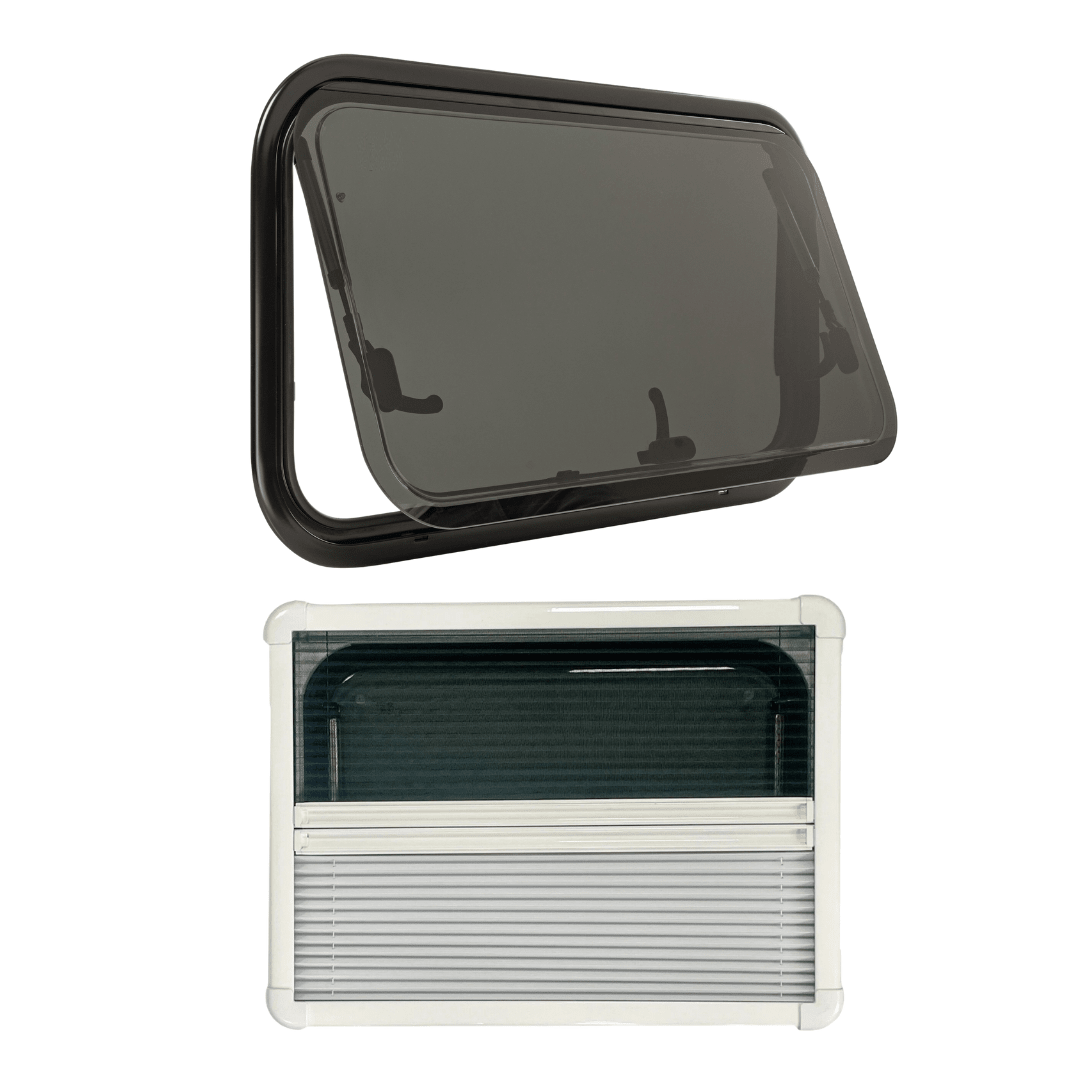
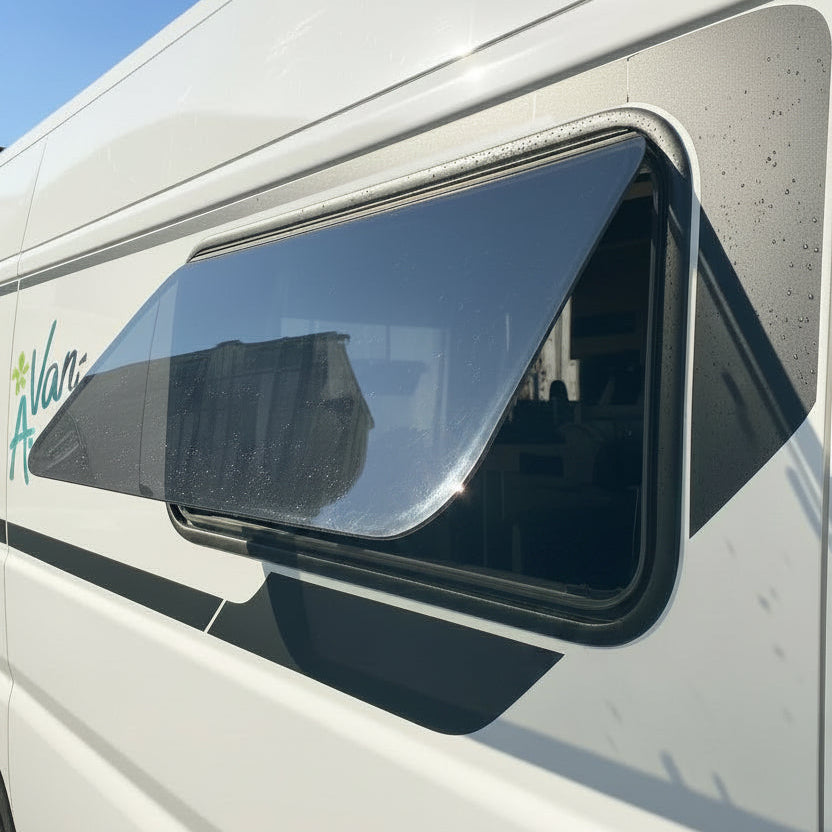
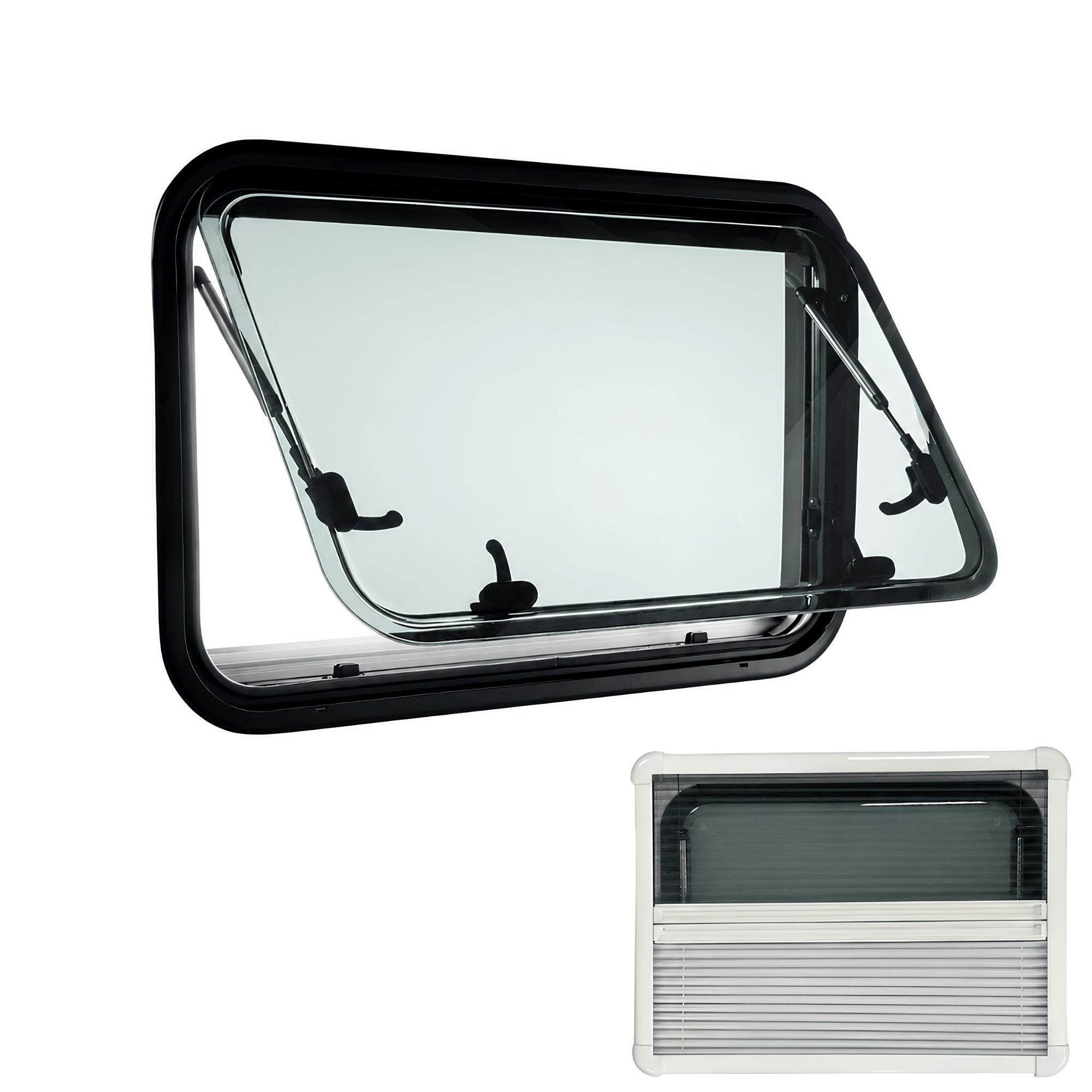
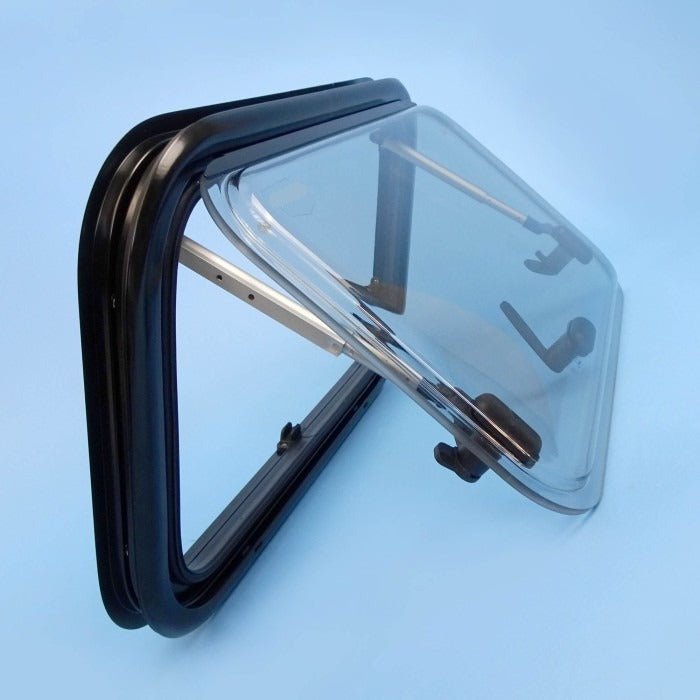
- 🛠️ Step 3: Creating openings: Windows and Skylight for a Campervan
- 🔥 Step 4: Insulation and coverings – Optimal comfort in all seasons
- ⚡ Step 5: Electrical installation – Energy independence for traveling freely
- 🚿 Step 6: Water and plumbing – An essential comfort in a Campervan
- 🏡 Step 7: Interior layout – Optimize every cm²
- 🎨 Step 8: Personalization and decoration – A van in your image
- ✅ Step 9: Checks before departure – Safety and comfort
- Frequently asked questions (FAQs)
Our Vanlife layout experts are here for you! Whether you have a question about our products or are looking for advice to transform your van into a true nomadic cocoon, contact us – we will be happy to guide you!
🏗️ Step 1: Planning and design – The key to a successful project

Before even starting the work, take the time to think and plan your project. A well-thought-out fitting helps avoid mistakes and optimize your budget.
❓ Essential questions to ask yourself:
🔹 What will be the use of your van? 🚐🏕️
- Occasional trips (weekends, holidays)
- Nomadic lifestyle (year-round life in a Motorhome)
- Modular utility Van (work and leisure combined)
🔹 How many people will travel on board? 👨👩👧👦
- Solo, couple, family, pets?
- Number of beds needed?
🔹 Which equipment do you want to integrate? 🛠️
- Kitchen 🍳 (hob, refrigerator, sink?)
- Sleeping area 🛏️ (fixed bed, convertible?)
- Bathroom 🚿 (dry toilets, indoor shower?)
- Electricity and autonomy 🔋 (solar panels, auxiliary batteries?)
- Storage and space optimization 📦
🔹 What is your budget? 💰 (🔥 Sales adapted to all budgets! Don’t miss our special offers 👉 Discover them here 🚀)
- Low price : DIY fitting, upcycling, basic equipment
- Medium budget: New materials, quality equipment
- Large budget: Professional transformation, high-end equipment
📏 Tip: Draw a scale plan to visualize the space and avoid surprises before you start!
🛠️ Step 2: Vehicle preparation – The foundation of a successful conversion

Before starting the conversion of your Campervan, van or Motorhome, it is essential to carry out a thorough preparation. A well-prepared vehicle guarantees a durable, safe and surprise-free conversion on the road.
This step involves checking the general condition of the vehicle, deep cleaning it and removing any unnecessary items to create a healthy base before installing your insulation, electricity and furniture.
🔧 Essential checks before converting your van
Before starting work, it is crucial to do a full vehicle diagnosis to avoid breakdowns and ensure optimal safety on the road. Here are the points to check:
1️⃣ Technical inspection and mechanical condition ⚙️
A vehicle in poor condition can quickly become a nightmare during your trips. Before converting it, carry out a complete mechanical check-up:
✅ Engine and timing belt: Check wear and replace if necessary.
✅ Brakes 🛑: Make sure discs and pads are in good condition.
✅ Battery 🔋: A faulty battery can cause unexpected breakdowns.
✅ Tires 🚗: Check pressure and wear, replace if needed.
✅ Suspensions and shock absorbers 🏎️: Important for stability, especially with the extra weight of the conversion.
✅ Exhaust and filters 🔄: Replace air, fuel and oil filters for better longevity.
📌 Tip: Call a professional mechanic if you have doubts before starting the conversion.
2️⃣ Rust treatment – Stop corrosion before it worsens 🛑
Used vans, vans and Motorhomes can show rusty areas, especially around the wheel arches, the floor and the doors. If rust is not treated before the conversion, it can weaken the structure and cause water leaks.
🔍 How to effectively treat rust?
✔ Sanding: Rub affected areas with sandpaper or a wire brush.
✔ Rust treatment: Apply a rust converter product to stop corrosion.
✔ Protective paint 🎨: Cover with a special anti-corrosion paint for long-lasting protection.
📌 Tip: Check under the chassis and apply a stone chip protection coating to protect your Campervan from road debris.
3️⃣ Complete cleaning – A clean van for a healthy fitting out 🧼
Before insulating and installing your coverings, a thorough cleaning is essential!
🧽 Steps for a deep cleaning:
✅ Vacuuming: Remove dust, debris, and residues from old coverings.
✅ Degreasing: Use a strong product to remove grease and old adhesives.
✅ Disinfection: Use an antibacterial wipe or disinfectant spray to sanitize the space.
✅ Water infiltration check: Look for possible leaks (roof, windows, seals).
📌 Tip: Apply a moisture-resistant paint on the walls to prevent mold problems in the future.
4️⃣ Dismantling unnecessary elements – Make way for your new fitting out
Most vans and light trucks are equipped with partitions, rear seats, plastic trims or old coverings that must be removed before starting the fitting out.
👷♂️ To dismantle:
✔ Rear seats (if not needed).
✔ Wall and floor coverings (often worn or incompatible with insulation).
✔ Old fasteners and supports that hinder the fitting out.
📌 Tip: Keep some parts (handles, fasteners) that can be reused in the fitting out.
🔥 Mistakes to avoid when preparing the van
❌ Do not check the mechanics before fitting out – A breakdown after fitting out can be costly and complicated.
❌ Ignore rust – Untreated rust can weaken the structure and damage insulation.
❌ Neglect cleaning – A clean surface ensures better adhesion for insulation and coatings.
❌ Do not test the seal – Check for leaks to avoid moisture and mold.
🛠️ Step 3: Creating openings: Windows and Skylight for a Campervan

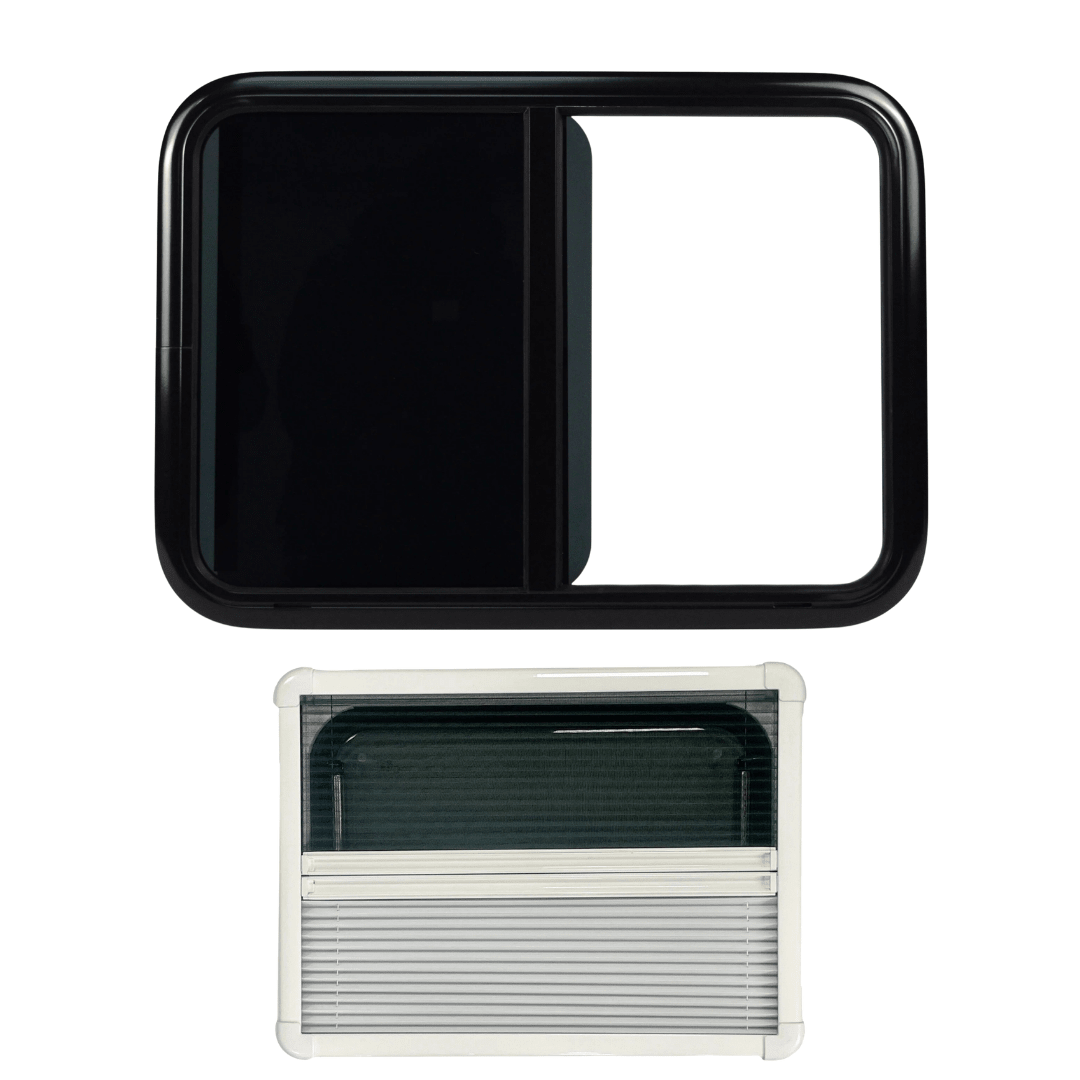
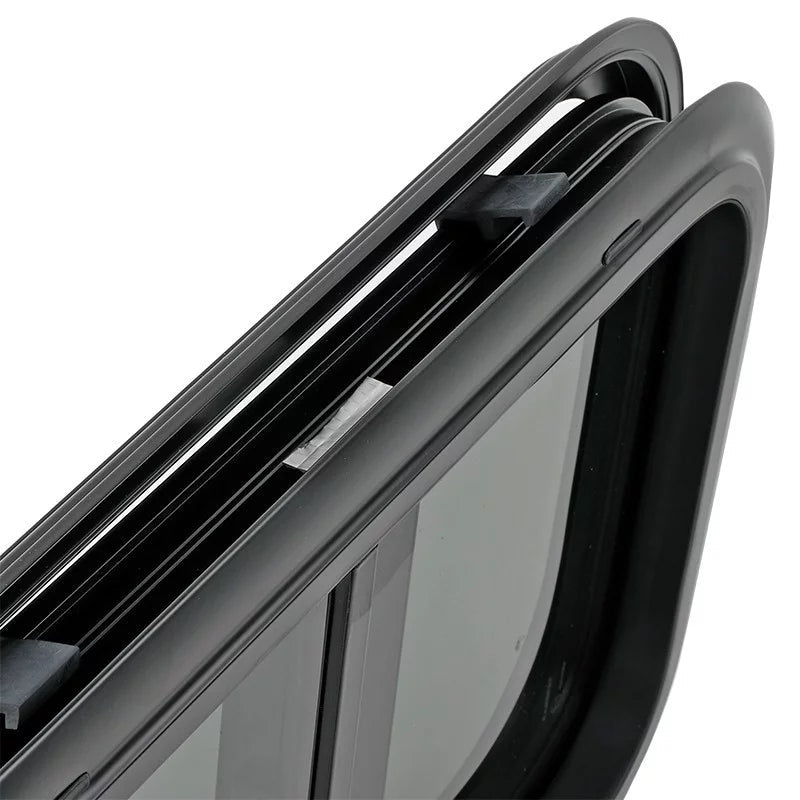
Installing sliding bay windows, fixed windows, and a Skylight is essential to ensure ventilation, brightness, and thermal comfort in your van or Motorhome. Here are the detailed steps for a well-insulated and watertight installation:
1️⃣ Choice of windows and Skylight
- Choose sliding bay windows or projecting windows, specially designed for vans and Motorhomes.
- Select a Skylight with permanent ventilation to prevent condensation and improve air circulation.
- Ensure the openings are suitable for the thickness of your van’s walls.
2️⃣ Defining and marking the locations
- Identify optimal areas for the windows: ideally on the sides of the van, avoiding structural pillars.
- Place the Skylight on the roof, taking into account reinforcements and interior layout.
- Trace the outlines of the openings using a template or precise marker.
3️⃣ Cutting the bodywork
- Drill holes at the corners to facilitate cutting.
- Use a jigsaw with a fine blade to cut the sheet metal cleanly.
- File and apply a rust inhibitor on the cut edges to prevent corrosion.
4️⃣ Installation and sealing of openings
- Apply a sealant (butyl mastic or SikaFlex) around the openings.
- Install the window or the Skylight by pressing firmly against the bodywork.
- Screw or securely fasten according to the type of opening.
- Check that the insulation around openings is properly in place to limit thermal bridges.
5️⃣ Inspection and finishing touches
- Test waterproofing with a water jet and check for any leaks.
- Install curtains, blinds, or thermal blackout shades for better comfort.
- Ensure good ventilation by combining Skylight and windows for effective airflow.
With these steps, your Campervan will benefit from optimal ventilation, a bright interior, and perfect insulation to travel with peace of mind! 🚐✨
🔥 Step 4: Insulation and coverings – Optimal comfort in all seasons

Insulation is a crucial step in the conversion of a van, as it guarantees your thermal and acoustic comfort all year round. Without good insulation, your van or van risks becoming a real furnace in summer 🌞 and a cooler in winter ❄️.
Moreover, insulation plays a crucial role in reducing condensation, which can cause mold and damage your equipment. A good choice of materials and careful installation will help improve the durability of your Motorhome and reduce your energy consumption.
🏗️ Different types of insulation for van
There are several types of insulating materials suitable for the conversion of a van, each with its advantages and disadvantages. Here is a selection of the most popular options:
🔹 Rock wool or animal origin – The ecological and efficient option
✅ Advantages:
- Natural, breathable, and moisture regulating
- Excellent thermal and sound insulation
- Fire and mold resistant
❌ Disadvantages:
- Higher price
- May emit a slight odor at first
💡 Ideal for: Those looking for natural and durable insulation for their van or van.
🔹 Cork sprayed or in panels 🍂 – The ultimate anti-humidity
✅ Advantages:
- Lightweight and easy to apply
- Very good thermal and sound insulator
- Excellent resistance to humidity
❌ Disadvantages:
- Higher cost than other insulators
- May require several layers for good efficiency
💡 Ideal for: Travelers who want a lightweight and effective solution against humidity.
🔹 Expanded polyurethane foam 🔶 – Easy to install and effective
✅ Advantages:
- Very good insulating power
- Easy to apply (spray or panel)
- Excellent air and water tightness
❌ Disadvantages:
- Less eco-friendly
- May release volatile compounds during installation
💡 Ideal for: Those looking for high-performance insulation that is quick to install.
🔹 Extruded polystyrene (XPS) 📏 – The best value for money
✅ Advantages:
- Good thermal insulator
- Lightweight and easy to cut
- Affordable price
❌ Disadvantages:
- Average sound insulation
- Sensitive to humidity without vapor barrier
💡 Ideal for: A low-cost fit-out with good thermal performance.
🔹 ArmaFlex 🏗️ – The high-performance insulation for Campervans
✅ Advantages:
- Excellent thermal and acoustic insulation
- Resistant to moisture and mold
- Easy to install thanks to its self-adhesive version
❌ Disadvantages:
- Higher price than XPS
- Can be difficult to reposition once glued
💡 Ideal for: A well-insulated van, without thermal bridges, perfect for facing all seasons. 🚐🔥❄️
🏡 Interior coverings: Combining aesthetics and durability
Once the insulation is in place, it is important to cover the walls with suitable materials to ensure a clean and durable finish. Here are some popular options:
🔹 Plywood (best choice): Durable and easy to work with, ideal for walls and furniture.
🔹 Wood paneling (for ceiling and/or side walls): Adds a warm and natural touch.
🔹 Vinyl or linoleum: Ideal for the floor as it is easy to clean and moisture resistant.
🔹 Fabrics and felt: Improves acoustics and adds visual comfort.
📌 Tip: Remember to securely fix your coverings to prevent them from coming loose while driving!
🔥 Areas not to neglect for optimal insulation
💡 Wall and door insulation: Essential to keep warmth in winter and coolness in summer.
💡 Floor insulation: Helps limit heat loss and improves comfort underfoot.
💡 Ceiling insulation: A large part of the heat escapes through the top, don’t neglect it!
💡 Insulation of windows and doors: Use thermal curtains, reflective films, or removable insulating panels.
🛠️ How to properly install your insulation?
1️⃣ Prepare the surface: Clean and treat areas prone to rust.
2️⃣ Cut the insulating materials: Adjust them to the dimensions of the walls and floor.
3️⃣ Fix the insulation: Glue or screw the panels depending on the material type.
4️⃣ Add a vapor barrier if necessary to prevent condensation.
5️⃣ Install the interior coverings for a clean and aesthetic finish.
⚡ Step 5: Electrical installation – Energy independence for traveling freely

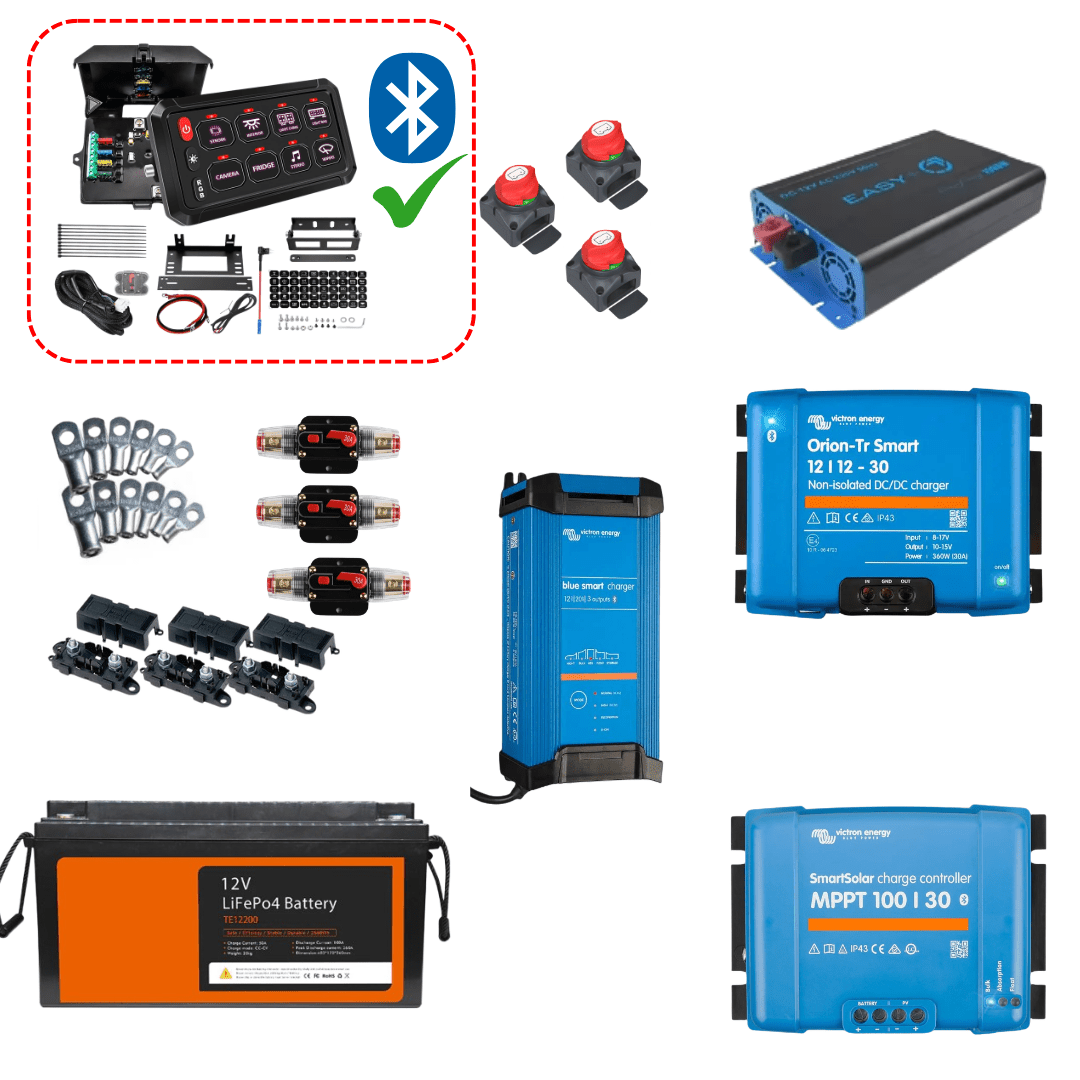
A reliable and properly sized electrical system is essential to ensure your Vanlife autonomy. Whether to power your van equipment such as lighting, a fridge, USB sockets, a water pump, or a laptop, a good electrical installation will let you fully enjoy your trip without constraints.
Without a suitable power source, you risk running out of electricity at the worst moment… and desperately searching for a charging point for your batteries! 😅
Let's see together how to set up an effective electrical system for your Motorhome, your van, or your converted van. 🚐🔋
🔋 The basics of a van's electrical system
Electricity in a Campervan relies on several essential components that store, convert, and distribute energy:
🔹 1. The auxiliary battery – The heart of the system
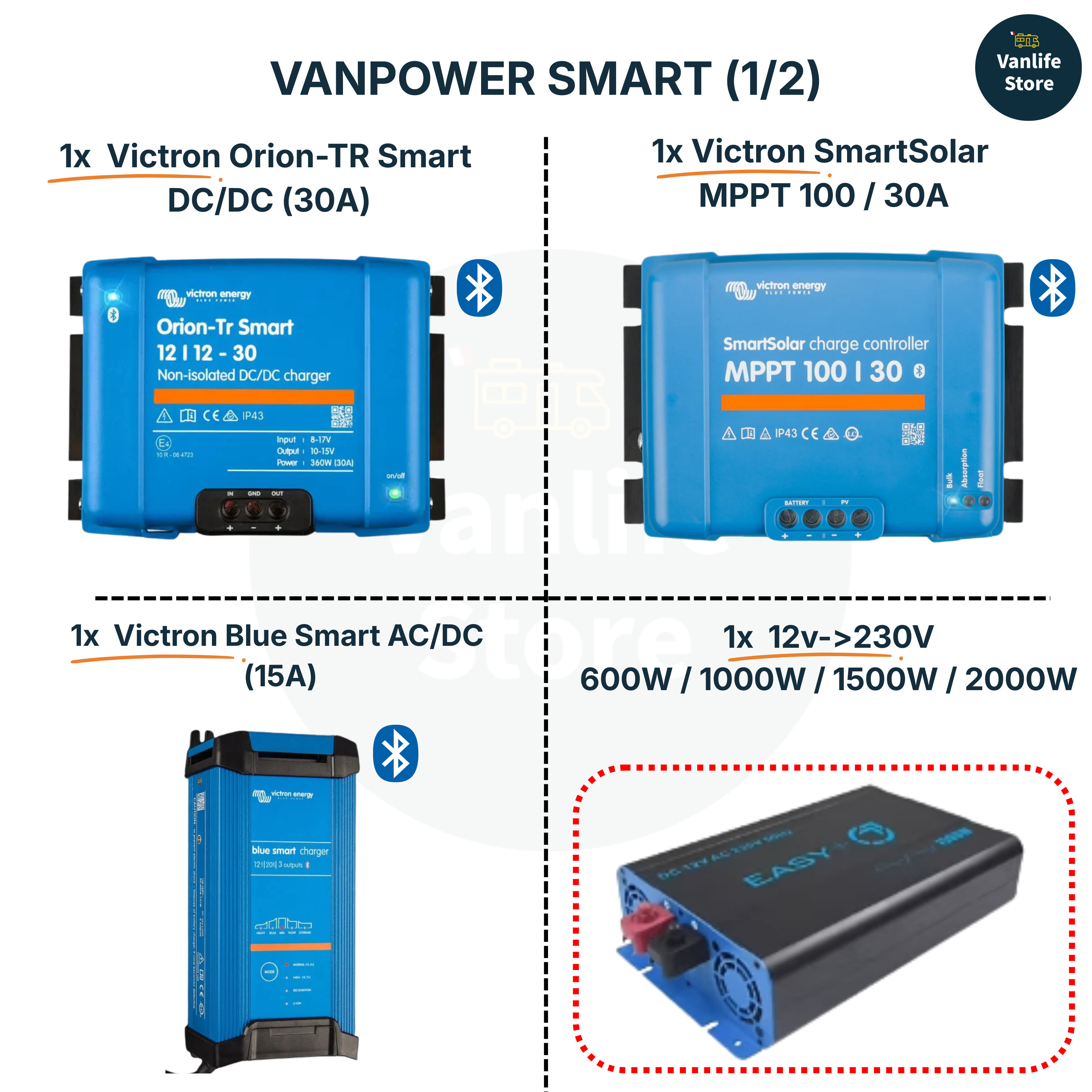
An auxiliary battery powers your van equipment without draining your vehicle's starter battery. It stores energy from the vehicle while driving, solar panels, or a mains socket when parked at a campsite.
📌 Two types of batteries are recommended :
✅ AGM (Absorbent Glass Mat) 🔌 :
- Cheaper than lithium
- Maintenance-free and vibration-resistant
- Can be recharged by the vehicle's alternator
✅ Lithium (LiFePO4) ⚡:
- Lighter and more compact
- 3 to 4 times longer lifespan
- Faster recharge and more stable capacity
💡 Our advice: If you have a low budget, go for an AGM battery. If you want maximum autonomy and durability, choose a lithium battery.
🔹 2. Solar panels – For maximum autonomy while camping ☀️
Adding solar panels allows you to produce your own electricity, ideal for traveling fully independently without relying on campsite sockets.
📏 What power to choose?
🔹 100W : For very basic use (lighting, smartphone, small fridge)
🔹 200-300W : For standard use (fridge, laptop charger, water pump)
🔹 400W and up: For a Campervan in full-time nomad mode
💡 Tip: Install an MPPT regulator to optimize the output of your solar panels and avoid battery overcharge.
🔹 3. Solutions to recharge your battery 🚗⚡
In addition to solar panels, there are several ways to recharge the auxiliary battery:
✔ DC/DC Charger: Recharges the auxiliary battery using the vehicle’s alternator while you drive.
✔ 220V Charger: Allows recharging the battery at a campsite station or at home.
📌 Note: With a DC/DC charger, your battery can recharge quickly while driving, handy if you move around often!
🔹 4. 12V/220V Inverter – Using standard devices in a van ⚡
A 12V/220V inverter converts the 12V current from the auxiliary battery into 220V, allowing you to power devices like a laptop, blender, or electric coffee maker.
💡 Which inverter to choose?
🔹 300W : For charging light devices (PC, phone)
🔹 1000W and above: For more powerful devices (microwave, hairdryer)
📌 Tip: If possible, favor devices operating at 12V to avoid losing energy during conversion.
🔹 5. LED lighting – Reduced consumption for a cozy atmosphere 💡
LED lighting is ideal for a Campervan because it offers low energy consumption, good brightness, and a long lifespan.
💡 Some ideas for optimal lighting:
✔ Recessed LED spots in the ceiling 🌟
✔ LED strips under furniture for a cozy atmosphere ✨
✔ Rechargeable lamp for outdoor use 🌙
📌 Tip: Install a light dimmer to adjust the lighting according to the desired ambiance and save even more energy.
📊 Calculating your electrical consumption: An essential step before buying your equipment
📌 Before choosing your battery and solar panels, it is essential to calculate your daily energy consumption.
Example of consumption:
🔹 LED lighting: 5W x 4 hours = 20Wh
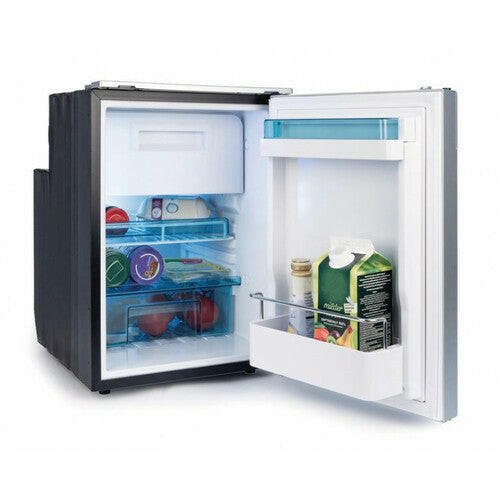
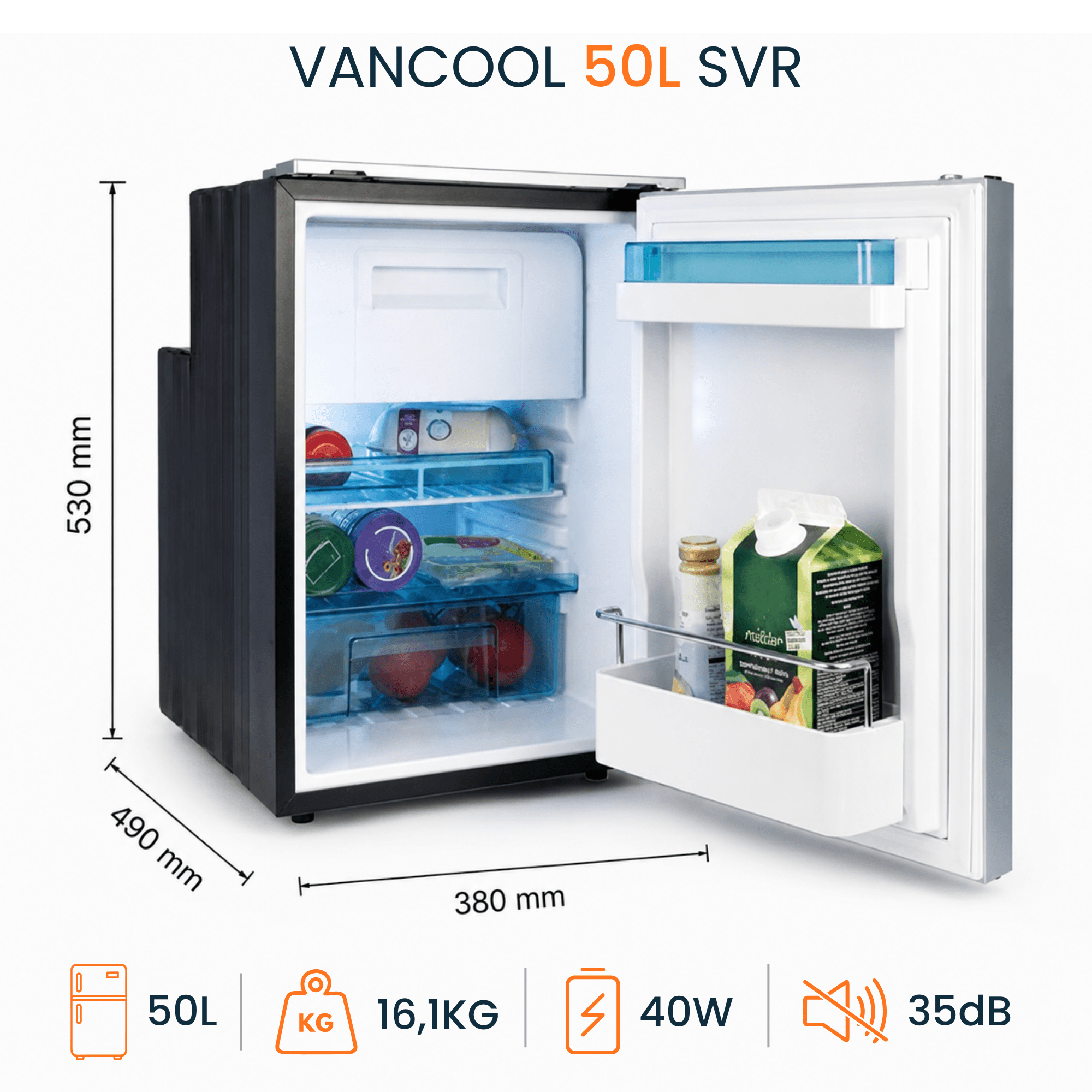
🔹 12V refrigerator: 50W x 24h (about 40% of the time running) = 480Wh
🔹 Charging a computer: 60W x 3h = 180Wh
🔹 Water pump: 30W x 1h = 30Wh
Daily total: 710Wh, or about 60Ah at 12V.
💡 If you have a 100Ah AGM battery, you can only use 50Ah (because it should not be discharged more than 50%). Therefore, it will need to be recharged regularly.
✅ Mistakes to avoid when installing the electrical system in a van
❌ Underestimating your energy needs – Make an accurate calculation before buying your battery.
❌ Not protecting circuits – Install appropriate fuses to avoid any risk of short circuit.
❌ Neglecting cable gauge – A cable that is too thin can heat up and become dangerous.
💡 Remember to add a main circuit breaker to secure your installation!
🚿 Step 6: Water and plumbing – An essential comfort in a Campervan
Having a well-thought-out water system in your Campervan is a real asset to gain comfort during your trips. Whether you want a equipped kitchen, an indoor or outdoor shower, or even toilets, a good installation will allow you to be self-sufficient in all circumstances.
Good water management is essential, especially if you practice wild camping or nomad life. Here is everything you need to know for an efficient installation adapted to your van, panel van or Motorhome.
💧 The basics of a water system in a van
Water in a Campervan relies on three key elements:
🔹 A fresh water tank 💦
🔹 A grey water tank 🚰
🔹 A water pump to deliver water to the sink and/or shower 🚿
Depending on your budget and available space, you can choose a simple and manual system or an electric system with pump and water heater for more comfort.
🛠️ The necessary equipment for water and plumbing in a van
🔹 1. Fresh water tank – Your source of drinking water 🚰
A fresh water tank is essential to store drinking water. It can be fixed under the floor or removable for easier filling.
📏 Which capacity to choose?
✔ 20-30L: Enough for short trips of a few days.
✔ 50-80L : Ideal for daily use with shower and kitchen.
✔ 100L and more: For a Motorhome or a Campervan in long-term nomad mode.
📌 Tip: Add a water filter to improve drinking water quality and avoid impurities!
🔹 2. Grey water tank – To dispose of wastewater
Water used for washing dishes or showering must be stored in a grey water tank before being emptied in a designated area.
💡 Possible options:
✔ Under-sink tank (removable, easy to empty)
✔ Under-chassis tank (fixed and larger capacity)
📌 Tip: Add a odor trap on the drain to prevent unpleasant backflow.
🔹 3. Water pump – To deliver water to the faucet 💦
To circulate water in your van, there are two types of pumps:
✅ Manual pump – Works without electricity, economical and easy to install.
✅ 12V electric pump – More convenient, provides constant pressure like at home.
📌 Tip: Add a pressure switch so the pump activates automatically when the faucet is opened.
🔹 4. Equipped kitchen – To cook like at home 👩🍳
A well-designed kitchen helps to better manage water and fully enjoy your Vanlife trip.
✔ Compact stainless steel sink with a foldable faucet to save space.
✔ Water reserve under the sink for easy refilling.
✔ Grey water container to be emptied regularly.
📌 Tip: Use a basin in the sink to save water and make cleaning easier.
🔹 5. Shower – Indoor or outdoor? 🚿
Taking a hot shower after a long day of travel… a true luxury in a Campervan! 🚐✨
💡 Possible options:
✅ Outdoor shower – Simple and economical, ideal in summer.
✅ Indoor shower – More comfortable but requires more setup.
✅ Solar shower – Black bag heated by the sun for a natural hot shower.
✅ Gas or electric water heater – For a hot shower anytime!
📌 Tip: Install an outdoor shower curtain for more privacy if you choose an outdoor shower.
🔹 6. Toilets – For more autonomy in wild camping 🚽
If you enjoy wild camping, having toilets in your Campervan is a real plus!
💡 Types of toilets suitable for Campervans:
✔ Chemical toilets – Easy to use but require specific products.
✔ Dry toilets – Ecological, waterless, odorless, and chemical-free.
✔ Foldable toilets – Convenient for occasional use.
📌 Tip: Dry toilets with sawdust are an excellent alternative for a nomadic lifestyle and environmentally friendly.
🌧️ Bonus: Install a rainwater harvesting system
To increase autonomy, you can collect rainwater using a simple system:
💧 Install a tarp or funnel connected to a filter and a clean water tank.
📌 Tip: Filter water well before use to avoid impurities and bacteria.
✅ Mistakes to avoid when installing water in a van
❌ Not insulating pipes – Water can freeze in winter, consider thermal insulation.
❌ Underestimating consumption – Plan for a sufficient tank to avoid unpleasant surprises.
❌ Not securing components properly – A leak can quickly happen while driving!
❌ Forgetting a water filter – It ensures cleaner drinking water without unpleasant taste.
📌 Tip: Do a test of your installation before going on a trip to avoid any unpleasant surprises.
🚽 Discover our dry toilets on Sales here!
🏡 Step 7: Interior layout – Optimize every cm²
🛏️ Sleeping area: Fixed bed, convertible bench or pull-out bed?
🍽️ Kitchen: Worktop, hanging storage, sliding drawers.
📦 Storage: Maximizing space under the bed, wall shelves.
🛋️ Lounge area: Benches with comfortable cushions and folding table.
📌 Advice: Use light and durable materials to avoid overloading the van!
🎨 Step 8: Personalization and decoration – A van in your image
Add personal touches for a unique and warm van:
🌿 Hanging plants
🕯️ LED garlands for a cozy atmosphere
🧶 Colorful curtains and cushions
📸 Travel photos and memories
📌 Tip: Secure objects firmly to prevent them from moving during the trip!
✅ Step 9: Checks before departure – Safety and comfort
🔍 Test all the equipment (electricity, water, gas).
🚗 Take a test drive to check the stability of the installations.
🗺️ Prepare your itinerary and find out about camping spots camping!
🚐 Conclusion: Outfitting a van, an exciting and accessible project!
By following these steps, you can transform your van into a true custom Motorhome, even on a small budget. Whether for a nomadic adventure or simple trips, outfitting a van offers you unlimited freedom.
✨ To finish beautifully ✨, don’t miss our bestsellers and Sales to outfit your van without breaking the bank! 🚐💰 Take advantage of the best deals on insulation, ventilation, furniture, and much more.
🔥 Mistakes to avoid when preparing the van
❌ Not checking the mechanics before fitting out
❌ Ignoring rust
❌ Rushing the cleaning
❌ Do not test the airtightness
Areas not to neglect for optimal insulation
💡 Insulation of walls and doors: Essential to keep warmth in winter and coolness in summer.
💡 Floor insulation: Helps limit heat loss and improve comfort underfoot.
💡 Ceiling insulation: A large part of the heat escapes through the top, don’t neglect it!
💡 Insulation of windows and doors: Use thermal curtains, reflective films, or removable insulating panels.
🛠️ How to properly install your insulation?
1️⃣ Prepare the surface: Clean and treat areas prone to rust.
2️⃣ Cut the insulating materials: Adjust them to the dimensions of the walls and floor.
3️⃣ Attach the insulation: Glue or screw the panels depending on the type of material.
4️⃣ Add a vapor barrier if necessary to prevent condensation.
5️⃣ Install the interior coverings for a clean and aesthetic finish.